


The Birth of Sound: Vinyl Records
The journey of audio systems begins in the late 19th century with the invention of the phonograph by Thomas Edison in 1877. This groundbreaking device laid the foundation for recorded music, using wax cylinders to capture sound waves. However, it was the introduction of the flat vinyl record in the early 20th century that revolutionized the audio landscape.
Vinyl records offered enhanced sound quality and longevity over their predecessors. The 33 1/3 RPM long-playing (LP) record, launched in the 1940s, allowed for longer playback times and became immensely popular in the post-war era, solidifying vinyl as the dominant format for music consumption.
The Rise of the Tape Era
The mid-20th century saw the emergence of magnetic tape as a competing format. Reel-to-reel tape recorders, introduced in the 1940s, facilitated high-fidelity sound reproduction. By the 1960s, compact cassette tapes made recording and playing music more portable and user-friendly. Their affordability and ease of use revolutionized how people interacted with music, leading to a surge in home studios and personal record collections.
The Digital Revolution: CDs and MP3s
The 1980s heralded the digital revolution with the introduction of compact discs (CDs). The CD format, developed by Sony and Philips, initially gained traction due to its superior sound quality compared to analog formats. The storage capacity of CDs, combined with their resistance to wear and tear, made them a popular choice among consumers and artists alike.
As technology advanced, the mid-1990s saw the rise of the MP3 format, enabling users to compress large audio files into manageable sizes without substantial loss of quality. This innovation catalyzed a significant shift in the music industry, leading to the rise of file sharing and digital downloads. Programs like Napster disrupted traditional distribution models, making music more accessible than ever before.
The Age of Streaming Services
By the early 2000s, streaming services began to dominate. Platforms like Spotify and Apple Music revolutionized how consumers accessed music. No longer bound by physical formats or large digital file collections, users could instantly listen to millions of songs at their fingertips.
These platforms introduced new trends in music consumption, such as playlists and algorithms that curate personalized listening experiences. For artists, streaming services represented both an opportunity for broader reach and a challenge in terms of revenue, sparking ongoing discussions about fair compensation in the digital age.
From Headphones to High-Fidelity Sound: The Evolution of Audio Gear
Just as formats evolved, so too did the technology surrounding audio playback. The transition from bulky home stereo systems to portable music devices like the iPod in the early 2000s changed how audiences consumed music on the go.
Today’s audiophiles often invest in high-fidelity hi-fi systems and digital audio converters to enhance their listening experiences. Brands like Sonos and Bose have revolutionized sound systems for homes, enabling wireless connectivity and multi-room audio, paving the way for a more integrated sound experience.
The Virtual Reality Audio Experience
As technology continues to advance, the burgeoning realms of virtual reality (VR) and augmented reality (AR) are now redefining audio experiences. Companies like Oculus and Valve are incorporating 3D audio into their platforms, making sound an integral part of immersive environments.
With spatial audio technologies, users can pinpoint the location of sounds in a virtual space, adding depth to gaming and cinematic experiences. Music festivals are now being hosted in VR, allowing artists to reach global audiences without the barriers of physical presence. This evolution represents a profound shift in how we perceive and interact with sound.
The Future: AI and Personalized Soundscapes
Looking ahead, artificial intelligence (AI) is poised to further enhance audio experiences. With algorithms capable of learning user preferences, the potential for personalized soundscapes tailored to individual users could redefine how we engage with music and sound entirely.
As technologies like machine learning and neural networks advance, we may see intelligent systems creating completely new music compositions or seamlessly blending sounds from multiple genres, catering specifically to listeners’ tastes and listening habits.
Conclusion: A Soundtrack to Our Lives
The evolution of audio systems is a testament to human creativity and technological innovation. From the tactile experience of spinning a vinyl record to the immersive nature of VR audio, our journey through sound has continuously transformed the way we connect with music and each other.
As we stand on the cusp of new audio frontiers, it is clear that the future of sound will be as dynamic and diverse as our collective musical history. As technologies continue to innovate, the soundtrack of our lives will grow richer and more complex, ensuring that music remains an indelible part of the human experience.
Related Products
-
Sale!
Piggy Bank, Automatic Electronic Piggy Bank for Ki…
Products Original price was: $15.99.$13.59Current price is: $13.59. -
Sale!
HOTO 25-in-1 Mini Electric Screwdriver, 3.7V Preci…
Products Original price was: $39.98.$29.99Current price is: $29.99. -
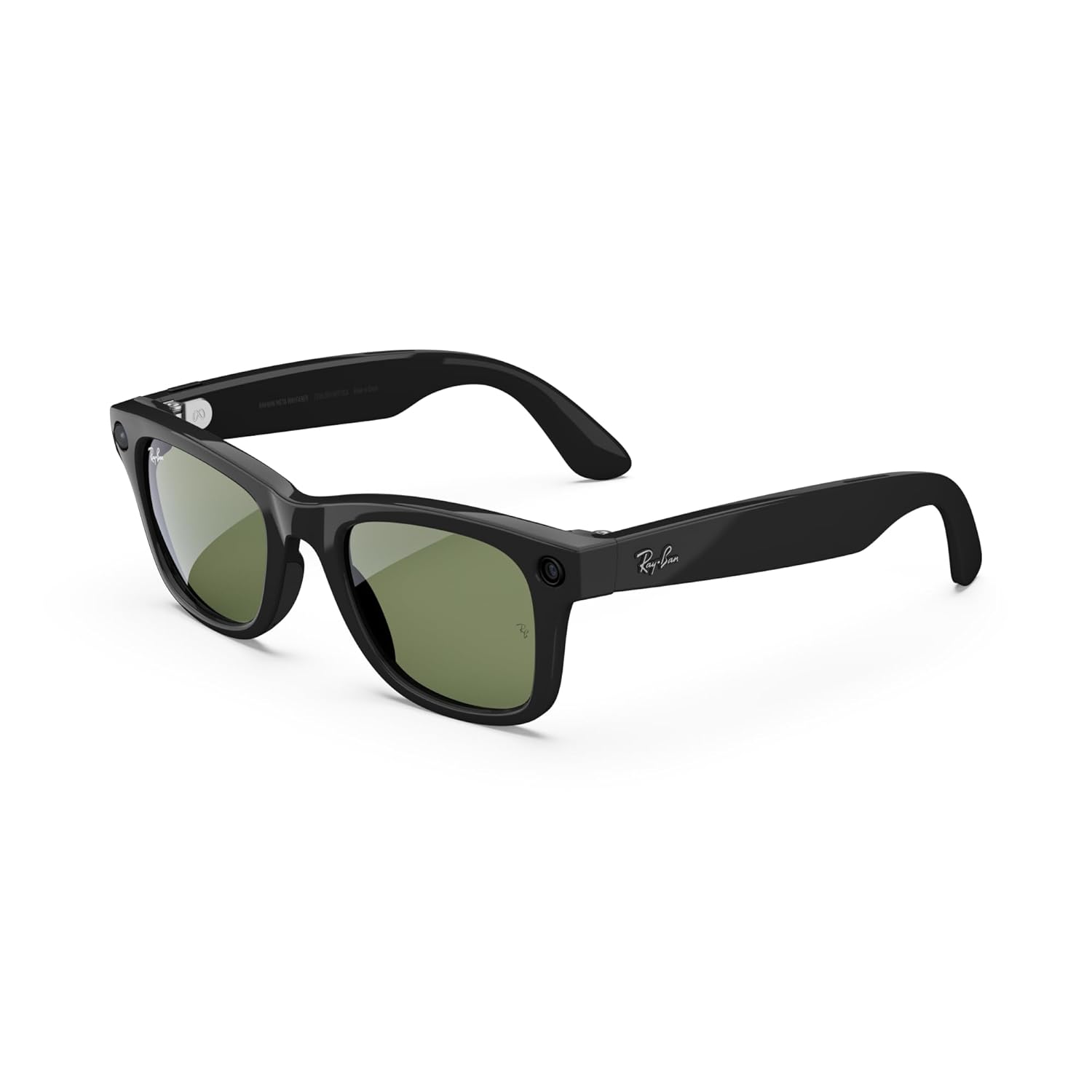
Ray-Ban Meta (Gen 1), Wayfarer, Shiny Black | Smar…
Products $287.00