




In an era defined by rapid technological advancements, the concept of smart homes has moved from science fiction into many aspects of everyday life. The integration of smart home technology is reshaping the way we interact with our living spaces, bringing unparalleled levels of comfort, security, and energy efficiency.
The Genesis of Smart Homes
The phenomenon of smart homes can be traced back to the 1990s, when the first automated home technologies emerged, primarily in affluent markets. However, the concept gained significant traction in the 2010s with the advent of affordable IoT (Internet of Things) devices. According to Statista, the global smart home market is expected to reach around $174 billion by 2025, showcasing its exponential growth.
Comfort at Your Fingertips
Imagine waking up, and with a simple voice command or a tap on your smartphone, your coffee maker starts brewing, your thermostat adjusts to your preferred morning temperature, and your blinds gently open to let in natural light. This level of convenience is made possible through smart appliances and devices.
- Smart Thermostats: Devices like the Nest and Ecobee learn user behavior and help regulate home temperatures for optimal comfort and energy savings.
- Smart Lighting: Automated lighting systems can adjust based on time of day, occupancy, and even user mood, providing tailored lighting experiences.
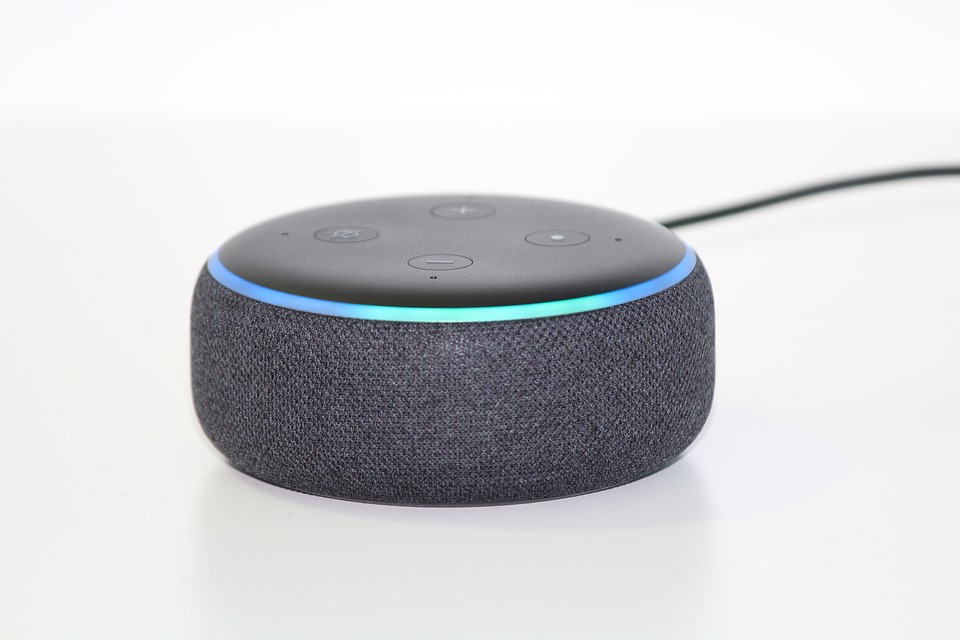
- Voice Assistants: Devices like Amazon Echo and Google Home serve as central hubs to control all smart devices, enhancing the user experience and making everyday tasks seamless.
Enhanced Security Features
The need for home security has never been more significant, and smart home technology offers a suite of advanced security features. Homeowners can monitor their properties remotely, receive alerts about unusual activities, and even control entry points like doors and garage doors from their smartphones.
- Smart Security Cameras: Devices such as Ring and Arlo provide 24/7 surveillance, often with motion detection and two-way audio features.
- Smart Locks: These allow homeowners to lock and unlock doors via their smartphones, providing a high level of control and convenience.
- Home Alarms: Smart alarm systems integrate seamlessly with other devices, alerting homeowners to potential threats through their smartphones.
Energy Efficiency and Sustainability
Smart home technology is not just about comfort and security; it also plays a crucial role in promoting energy efficiency and environmental sustainability. By automating processes and optimizing energy use, homeowners can significantly reduce their carbon footprint.
- Smart Grids: These systems optimize electricity usage based on peak consumption times, ultimately resulting in lower energy bills and reduced energy waste.
- Energy Monitors: Devices like Sense track your energy consumption in real time, making homeowners aware of their usage patterns and helping them make informed decisions about energy-saving practices.
- Smart Appliances: Energy-efficient versions of appliances adjust their operations for maximum efficiency, consuming less water and electricity overall.
Challenges and Concerns
Despite the numerous benefits, the rise of smart home technology isn’t without its challenges. One pressing concern is cybersecurity. As homes become increasingly interconnected, the risk of hacking and data breaches rises. Ensuring robust security measures is essential for protecting personal information.
Additionally, the proliferation of smart devices can lead to interoperability issues, where different brands and technologies may not communicate effectively with one another. Consumers often find themselves locked into specific ecosystems, limiting their options and flexibility.
The Future of Smart Homes
As we look ahead, the evolution of smart homes is likely to continue at an unprecedented pace. Innovations in AI and machine learning will allow devices to become even more intuitive, learning user preferences and habits over time. Furthermore, the integration of augmented reality (AR) and virtual reality (VR) in home design and management may revolutionize how we visualize and control our living spaces.
Moreover, the rise of eco-friendly devices aligns with the growing consumer demand for sustainable living practices, driving continuous innovation in this sector. As smart technology becomes more accessible, it is projected that even low-income households will begin to adopt these innovations, making smart living a norm rather than an exception.
Conclusion
The rise of smart home technology is revolutionizing the way we live, creating more efficient, secure, and comforting living environments. While challenges remain, the potential benefits are transformative. As this technology continues to advance, our homes will not only be smarter but also more attuned to our individual needs and preferences, ultimately enhancing our quality of life.
With its immersive potential, smart home technology invites us to reimagine our living spaces as dynamic ecosystems that adapt to our lifestyles, creating homes that think, learn, and grow with us.
Related Products
-
Sale!
Snap Circuits Jr. SC-100 Electronics Exploration K…
Products Original price was: $32.99.$29.98Current price is: $29.98. -
Sale!
Piggy Bank, Automatic Electronic Piggy Bank for Ki…
Products Original price was: $15.99.$13.59Current price is: $13.59. -
Sale!
HOTO 25-in-1 Mini Electric Screwdriver, 3.7V Preci…
Products Original price was: $39.98.$29.99Current price is: $29.99.
