



As we plunge deeper into the 21st century, our home entertainment experience has been irrevocably transformed. Gone are the days of limited cable packages and rigid programming schedules; welcome to the era of streaming TVs. With just a few clicks, viewers can access an almost unlimited library of content, ranging from blockbuster films to niche documentaries. This article delves into the evolution of streaming TVs, examining their impact on how we consume media, and projecting where this trend may lead us in the future.
The Shift from Traditional Broadcasting to Streaming
The transition from traditional television viewing to streaming services has been a rapid one. According to a 2021 report by eMarketer, nearly 80% of U.S. households had at least one streaming subscription. Popular platforms such as Netflix, Hulu, and Amazon Prime Video have disrupted the media landscape, leading to massive shifts in viewing habits.
In the past, watching television often meant tuning in at a specific time to catch your favorite show. With streaming technology, the entire landscape has changed: entire seasons of series can be binge-watched, and on-demand options provide unparalleled flexibility. A 2022 study conducted by Nielsen emphasized this shift, revealing that Americans spent over 150 billion streaming minutes per week, demonstrating how embedded this new form of entertainment has become in our daily lives.
What is Streaming TV?
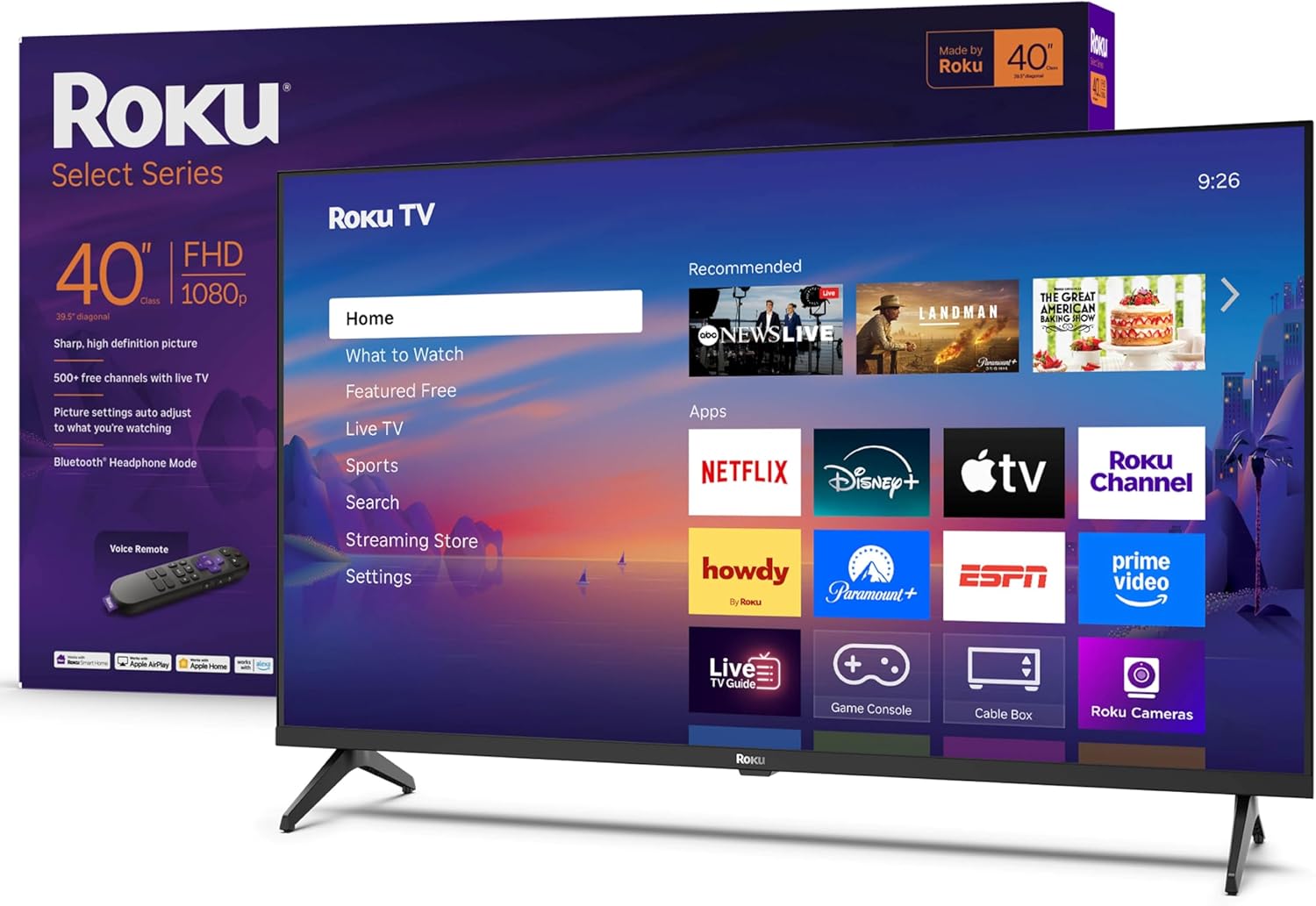
Streaming TVs refer to television sets equipped with internet connectivity and built-in applications that allow viewers to access streaming services directly. Unlike traditional cable setups, streaming TVs provide a seamless integration of content from various providers, making it easier than ever to find what you want to watch.
Furthermore, these devices typically have user-friendly interfaces, making navigation intuitive. Major manufacturers like Samsung, LG, and Sony have adopted smart TV technology, making it standard in almost every new television model. Consumers now have the ability to switch between apps like Netflix, Disney+, Hulu, and many others with ease.

The Appeal of Streaming TVs
But what exactly makes streaming TVs such an appealing choice for modern viewers? The answer lies in several key factors:
1. Content Variety
Streaming platforms offer an impressive array of content, spanning numerous genres and formats. From classic films and exclusive series to documentaries and international offerings, the choices are nearly limitless. This variety is not just appealing; it’s transformative, allowing viewers to explore cultures and experiences from the comfort of their own homes.
2. Cost-Effectiveness
For many consumers, streaming services present a more cost-effective alternative to traditional cable subscriptions. A monthly subscription to a streaming service can often cost significantly less than a cable package, making it accessible to a broader audience. Recent surveys indicate that many consumers are now “cord-cutting,” opting to rely solely on streaming services rather than traditional cable TV.
3. Interactivity and Engagement
Streaming TVs often come with features that enhance user engagement. Interactive content, social viewing experiences, and personalized recommendations all contribute to a more immersive viewer experience. With built-in voice controls and intelligent assistants, users can navigate their favorite shows simply by speaking, further improving accessibility.
4. Original Programming
Major streaming platforms have invested heavily in producing original content. Netflix, for instance, has released numerous award-winning series and films that have garnered significant critical acclaim. This original programming has become a vital draw for subscribers, as exclusivity drives interest and viewer loyalty.
Challenges and Competitions Ahead
Despite the myriad benefits of streaming TVs, they are not without challenges. Competition among streaming services continues to grow, with new entrants entering the market regularly. Major networks and studios are launching their own platforms, leading to fracturing of content across multiple services. As a result, consumers may find themselves needing multiple subscriptions to access their desired content.
Furthermore, the constant barrage of new shows and films can lead to “decision fatigue.” Getting overwhelmed with options can make it harder for consumers to choose what to watch, and services are racing to find better algorithms to provide tailored recommendations.
The Future of Home Entertainment
Looking forward, the future of streaming TVs is promising. The integration of artificial intelligence and machine learning algorithms will allow for even more personalized experiences as platforms strive to anticipate viewer preferences accurately. As technology continues to evolve, we may also see advances in augmented reality (AR) and virtual reality (VR) that will transform content consumption even further.
Moreover, as 5G technology becomes more prevalent, streaming quality is set to improve dramatically. Higher bandwidth means that consumers can enjoy 4K and 8K streaming without buffering, demanding ever more from their televisions. The future of home entertainment looks not just to engage but to enthrall.
“Streaming TVs have changed the way we consume media forever, offering a blend of accessibility, variety, and interactivity that is hard to match.” – Tech Industry Analyst
Conclusion
The rise of streaming TVs has undoubtedly revolutionized home entertainment, making it richer, more dynamic, and accessible than ever before. With every passing year, the streaming landscape grows more intricate, offering viewers endless options while simultaneously challenging traditional broadcasting models. As we move into a future dominated by technology and interactivity, one thing remains clear: the era of streaming is just beginning, and it promises to redefine our entertainment experiences for generations to come.
Related Products
-
Govee Smart Plug, WiFi Plugs Work with Alexa & Goo…
Products $29.99 -
Sale!
Roku Smart TV – 40-Inch Select Series, 1080p Full …
Products Original price was: $149.99.$139.99Current price is: $139.99. -
Sale!
Bluevua RO100ROPOT Reverse Osmosis System Countert…
Products Original price was: $434.00.$389.00Current price is: $389.00.