

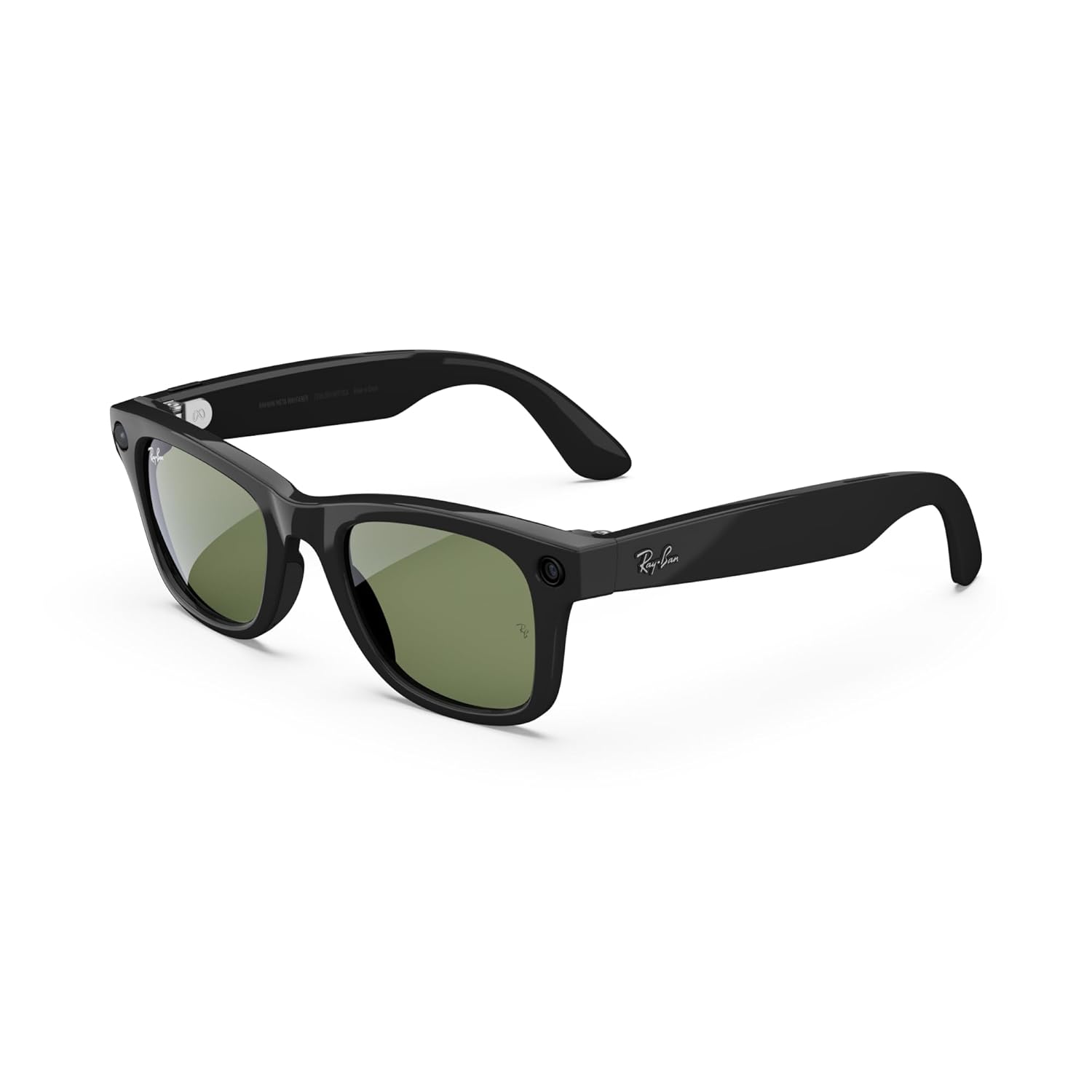


Wearable technology has transcended its initial novelty status to become an integral part of modern life. From fitness trackers to smart glasses, wearable devices have woven themselves seamlessly into our daily routines, reshaping how we interact with technology, manage our health, and even connect with one another. As we stand at the brink of a new technological frontier, it’s essential to examine how these advancements are influencing our lives and hinting at a future where the human experience is fundamentally altered.
A Brief History of Wearable Technology
The concept of wearable technology is not new. In the 1960s, the invention of the “computerized watch” by timer engineers paved the way for future developments. However, the modern era of wearables began in earnest in the early 2010s with the launch of devices like the Fitbit. The rise of smartphones had already set the stage for widespread tech adoption, allowing for connectivity and data collection that wearables could leverage.
Today, the global wearables market is projected to grow to $100 billion by 2024, according to various market analysts. This growth is fueled by innovations in functionality, design, and the integration of artificial intelligence.
Health and Wellness Revolutionized
Perhaps the most significant impact of wearable technology lies in the health and wellness sector. Devices like smartwatches and fitness trackers have empowered users to take control of their health with real-time data on heart rates, sleep patterns, and physical activity. The pivotal question is: How is this data shaping our lives?
Wearable technology enables proactive health management. A study published in the journal JAMA Internal Medicine found that individuals using fitness trackers experienced a more significant weight loss than those who did not. Furthermore, the integration of wearables with mobile health apps allows for personalized health plans, offering recommendations based on user data.
Enhancing Productivity and Connectivity
Wearables are also redefining productivity paradigms in the workplace. Devices like smart glasses and augmented reality (AR) headsets are becoming tools for professionals in various fields. Imagine an engineer wearing smart glasses that overlay schematics onto the physical environment, allowing for seamless navigation during complex tasks.
According to a McKinsey report, companies that adopted wearable tech saw an increase in operational efficiency by up to 20%. This efficiency not only affects productivity but also enhances collaboration, enabling teams to stay connected effortlessly, regardless of their physical locations.
Privacy and Ethical Concerns
With the rise of wearable technology comes the pressing issue of privacy. As these devices collect substantial amounts of personal data, the potential for misuse becomes a concern. How is this data protected, and what implications does it have for user privacy?
Privacy advocates warn that data collected from wearables can be vulnerable to breaches or misuse by companies. In a world where selling data has become a lucrative business, consumers must be educated about their rights and the potential risks associated with wearables. A 2021 survey revealed that 61% of individuals expressed concern regarding the privacy of their data when using wearable devices.
The Future: Smarter, More Integrated Wearables
Looking ahead, wearables are expected to evolve into even more sophisticated devices. With advancements in artificial intelligence and machine learning, these technologies will not only track health metrics but also offer predictive insights. Imagine a wearable that could predict a potential health issue before symptoms manifest, alerting you to seek medical advice.
Moreover, as the Internet of Things (IoT) continues to expand, wearables will increasingly interact with smart environments. Your wearable could communicate with your home, adjusting heating or lighting based on your activity level, or optimizing your daily routines based on travel and traffic data.
Conclusion: A New Era of Human Experience
The trajectory of wearable technology indicates that it is not merely a trend, but a revolutionary force transforming the human experience. As we navigate the complexities of living in a tech-saturated world, the challenge will be to harness these innovations responsibly and ethically.
From enhancing our health to reshaping the workplace and creating a more connected society, the future of wearable technology promises to be both exciting and fraught with challenges. As we embrace this evolution, it is crucial to remain vigilant, ensuring that the technology serves us and not the other way around.
As we step into this new era, remember: the future is indeed worn, and it holds the potential to redefine what it means to be human.
Related Products
-
Sale!
Piggy Bank, Automatic Electronic Piggy Bank for Ki…
Products Original price was: $15.99.$13.59Current price is: $13.59. -
Sale!
HOTO 25-in-1 Mini Electric Screwdriver, 3.7V Preci…
Products Original price was: $39.98.$29.99Current price is: $29.99. -
Ray-Ban Meta (Gen 1), Wayfarer, Shiny Black | Smar…
Products $287.00

