


In a world increasingly focused on energy efficiency and sustainability, the rise of smart home technology has ignited a revolution in how we manage our living spaces. Among these advancements, smart thermostats stand out as pivotal innovations capable of reshaping the way we think about heating and cooling our homes. But what makes smart thermostats so essential for the future? Let’s explore the features, benefits, and implications of this transformative technology.
Understanding Smart Thermostats
Smart thermostats are devices that enable homeowners to control their heating and cooling systems remotely via a smartphone app or a web browser. Unlike traditional thermostats, which require manual adjustments, smart thermostats utilize advanced algorithms, sensors, and connectivity to provide automated temperature control. Popular models such as the Nest Learning Thermostat and the Ecobee SmartThermostat have become household names, praised for their intuitive interfaces and energy-saving features.
Energy Efficiency: A Necessity, Not a Luxury
One of the most compelling reasons to adopt smart thermostats is their ability to significantly enhance energy efficiency. According to the U.S. Department of Energy, heating and cooling account for nearly half of the energy consumption in a typical American home. Smart thermostats can help mitigate this by learning users’ schedules and preferences over time, optimizing temperature settings accordingly.
For instance, a smart thermostat can detect when no one is home and automatically adjust the temperature to save energy. Studies have shown that using a smart thermostat can lead to energy savings of up to 23% annually, translating to lower utility bills and a reduced carbon footprint.
Convenience at Your Fingertips
Imagine coming home after a long day only to find your house at the perfect temperature without needing to adjust any controls manually. Smart thermostats offer this kind of convenience through user-friendly interfaces and smartphone connectivity. Homeowners can adjust their home’s climate from anywhere—whether at work, on vacation, or while lounging on the couch. This level of control allows homeowners not just to maintain comfort, but also to monitor and adjust energy consumption on the fly.
Integration with Smart Home Ecosystems
The rise of the Internet of Things (IoT) has enabled seamless integration between smart thermostats and other devices within a smart home ecosystem. These devices can communicate with each other, creating a cohesive environment that enhances both energy efficiency and user experience. For example, a smart thermostat can work in conjunction with smart blinds to optimize heating and cooling based on the time of day and the position of the sun.
Moreover, integration with voice-controlled platforms such as Amazon Alexa, Google Assistant, or Apple HomeKit allows users to make temperature adjustments simply by speaking. This hands-free capability is not only convenient but also ideal for individuals with mobility challenges.
Advanced Features for Modern Living
Smart thermostats come equipped with advanced features that go beyond basic temperature control. For instance, many models incorporate geofencing technology, which uses a smartphone’s GPS location to determine when the homeowner is approaching or leaving. When the last person leaves, the thermostat can set back the temperature, and when someone approaches home, it can preheat or cool the house in anticipation of their arrival.
Another remarkable feature is energy reporting. Many smart thermostats offer detailed insights into energy usage, enabling homeowners to identify trends and make informed adjustments to their habits. This kind of data-driven approach is revolutionizing how we interact with our home’s energy consumption.
Cost-Effectiveness and Long-Term Savings
While the initial investment for a smart thermostat may seem steep, the long-term savings can be substantial. The U.S. Department of Energy estimates that homeowners can save approximately $180 per year by installing a smart thermostat. Over time, these savings can offset the upfront costs and generate significant returns.
Additionally, many utility companies offer rebates and incentives for homeowners who invest in energy-efficient technologies, making the transition to a smart thermostat even more economically viable.
Environmental Impact: A Cleaner Future
As humanity faces pressing environmental challenges, the need for sustainable living practices has never been more critical. Smart thermostats play a significant role in this movement by reducing overall energy consumption and, consequently, lowering greenhouse gas emissions. In a report by the Environmental Protection Agency (EPA), energy-efficient technologies like smart thermostats are highlighted as essential tools for mitigating climate change.
By adopting smart thermostat technology, consumers contribute to a larger effort towards a cleaner and more sustainable future.
The Road Ahead: Challenges and Considerations
Despite the numerous benefits, the transition to smart thermostats is not without its challenges. Issues such as connectivity reliability, compatibility with existing HVAC systems, and user privacy concerns must be addressed. Furthermore, as smart technology continues to evolve, consumers must stay informed about cybersecurity risks that could compromise personal data.
Education and awareness are critical to overcoming these obstacles. Manufacturers and utility companies must collaborate to provide resources and support, ensuring that everyone can enjoy the benefits of smart thermostats without complications.
Conclusion: Embracing the Future
In conclusion, smart thermostats represent more than just a trend; they are a significant step toward a future of energy-efficient, sustainable living. With their ability to learn user preferences, optimize energy usage, and integrate with other smart home technologies, they offer unparalleled convenience and savings. As we continue to face environmental challenges, investing in smart thermostat technology is not merely a choice; it’s an imperative for homeowners who wish to adapt to the needs of modern living while contributing to a sustainable future. The future of home heating and cooling is here, and it’s smart.
Related Products
-
Sale!
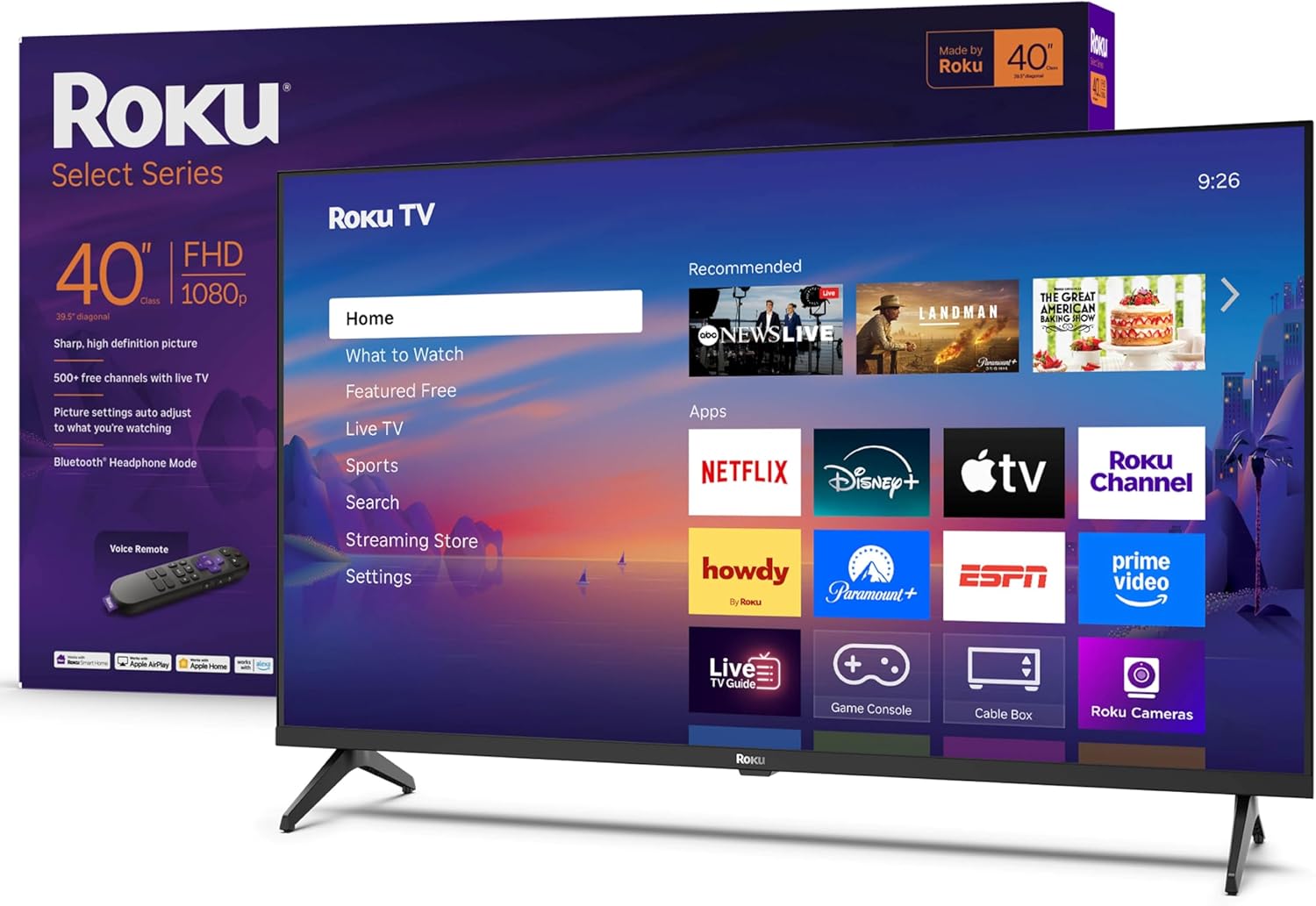
Roku Smart TV – 40-Inch Select Series, 1080p Full …
Products Original price was: $149.99.$139.99Current price is: $139.99. -
Sale!
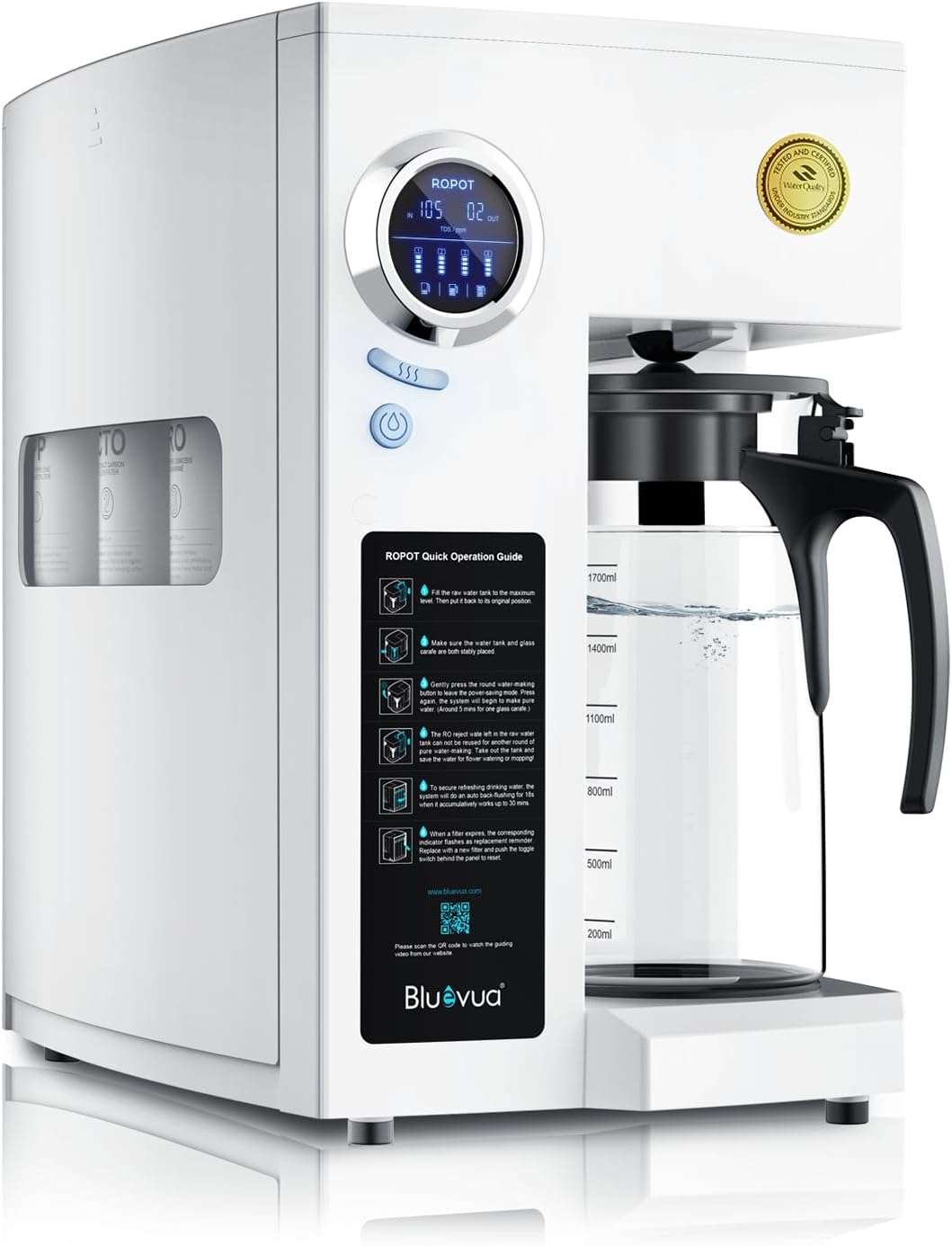
Bluevua RO100ROPOT Reverse Osmosis System Countert…
Products Original price was: $434.00.$389.00Current price is: $389.00. -
Sale!
Outlet Extender with Night Light, HANYCONY Multi P…
Products Original price was: $12.99.$9.99Current price is: $9.99.